Myth #3: “We run active tests, so we’d catch any issues”
Active testing has real value. Injecting synthetic test calls across the network gives you a controlled, end-to-end view of its performance at a specific moment in time. This is particularly useful during system commissioning and scheduled maintenance windows as well as in lab environments.
But “at a specific moment in time” is the operative phrase. IP networks are dynamic by nature. Packet loss, jitter and routing conditions can fluctuate from one minute to the next. An active test run at 9 am tells you nothing about what happens at 9:47 am when a network provider’s link quietly degrades.
There’s also the question of what active testing doesn’t cover. Test calls traverse predefined paths between artificial endpoints. They don’t reflect the actual call paths that real controllers use, capture how end devices behave in practice or reveal problems that only emerge under specific operational conditions such as a codec mismatch that only causes one-way audio when certain systems negotiate a call.
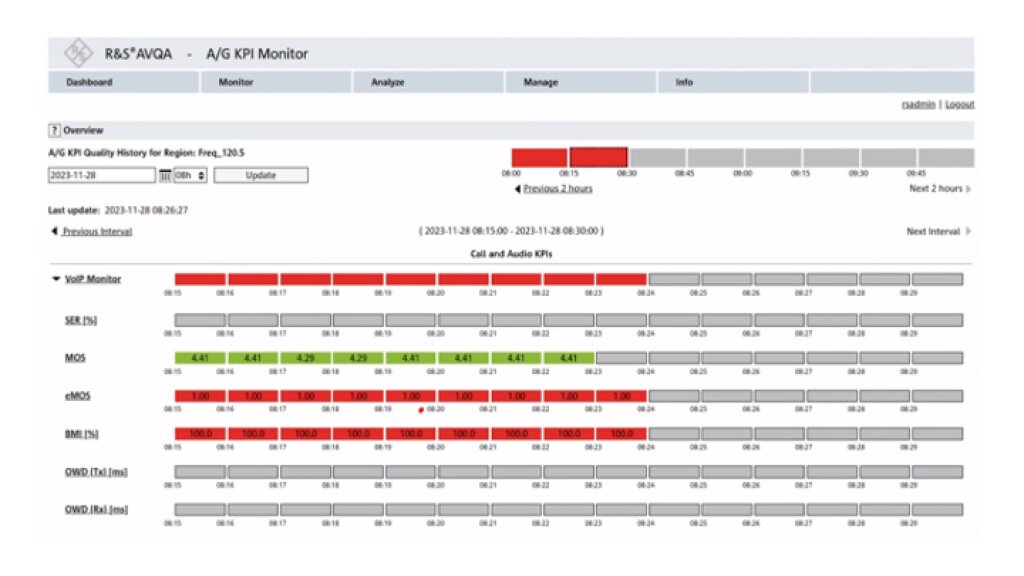
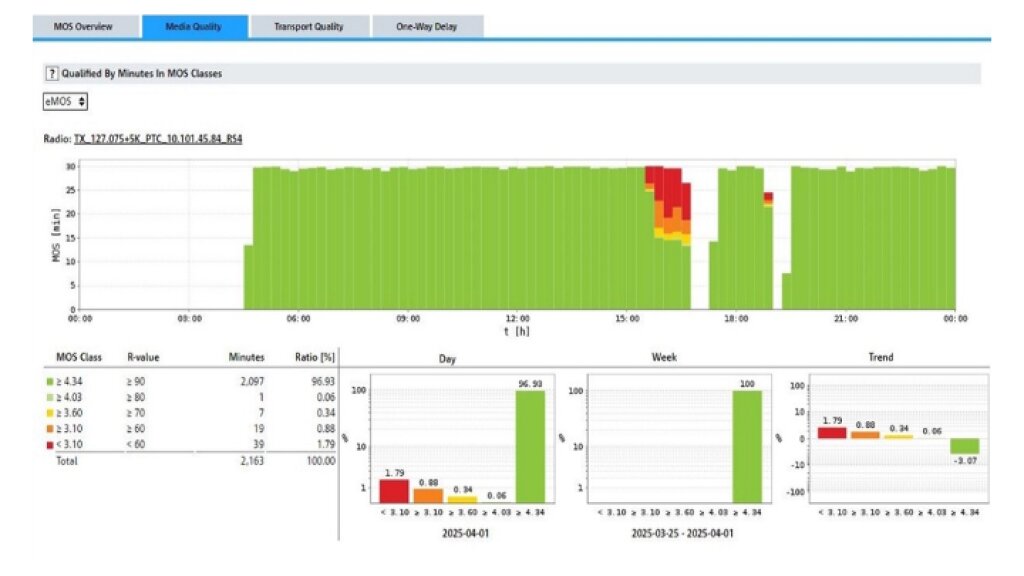
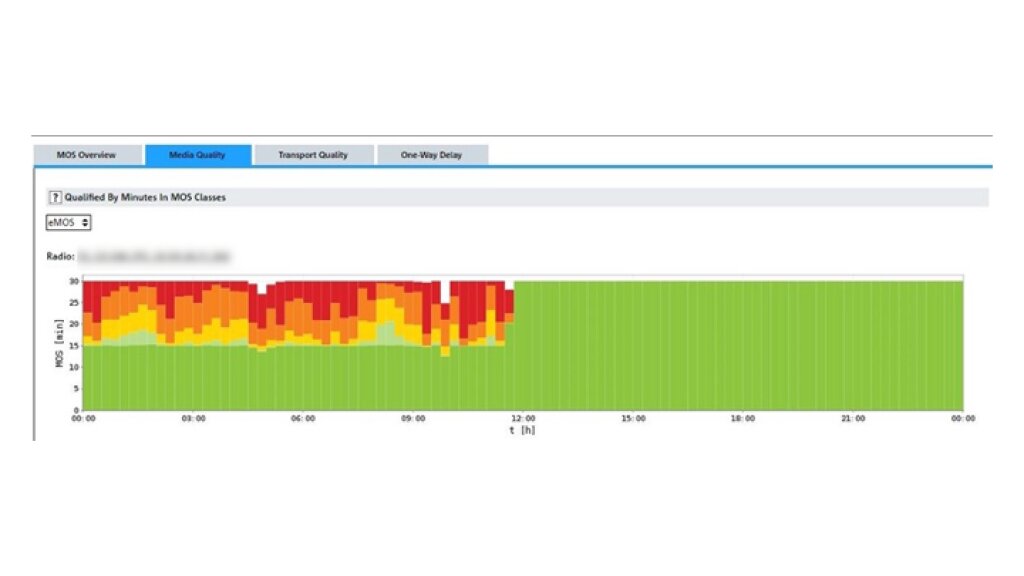
In one case, an ANSP was experiencing repeated MOS drops below the ED-136 requirement of 4.0 on live channels. Periodic active tests hadn’t flagged anything. Continuous passive monitoring of actual traffic eventually revealed 3 % packet loss between a radio site and the central network – not on every call, but enough to consistently degrade real controller experience.
Armed with this data, the ANSP had a concrete, documented case to bring to their network provider. Without it, the conversation would have gone nowhere, because in the absence of evidence, the blame game has no referee.
Active testing is like a periodic health checkup – it’s useful, but it won’t catch issues that develops between appointments.